We start from your book
Palette, materials, wardrobe, the way your product is allowed to be shown. The direction is written against your guidelines, not against a look the studio already owns.
- Palette
- Materials
- Tone

Image direction, Bangkok.
ไลท์ฟอลล์
( STUDIO )
We direct an image the way a photographer directs a set. One light, with a reason to exist. A place named exactly. Skin that stays real. Then we generate.
An iris eau de parfum, made at the hour the flower is cut. Six frames, one written direction, four materials: glass, copper, petal, orris root.
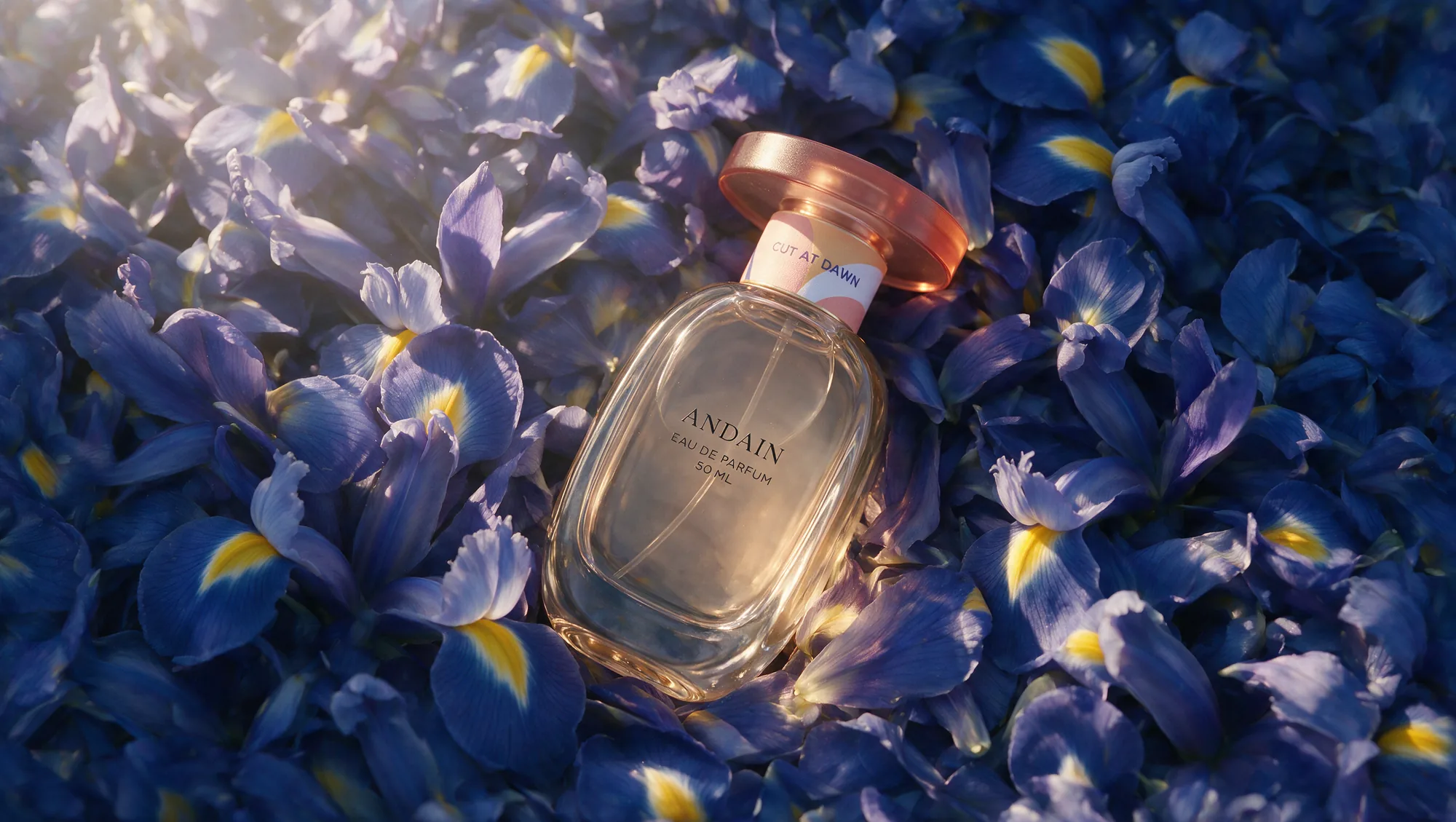
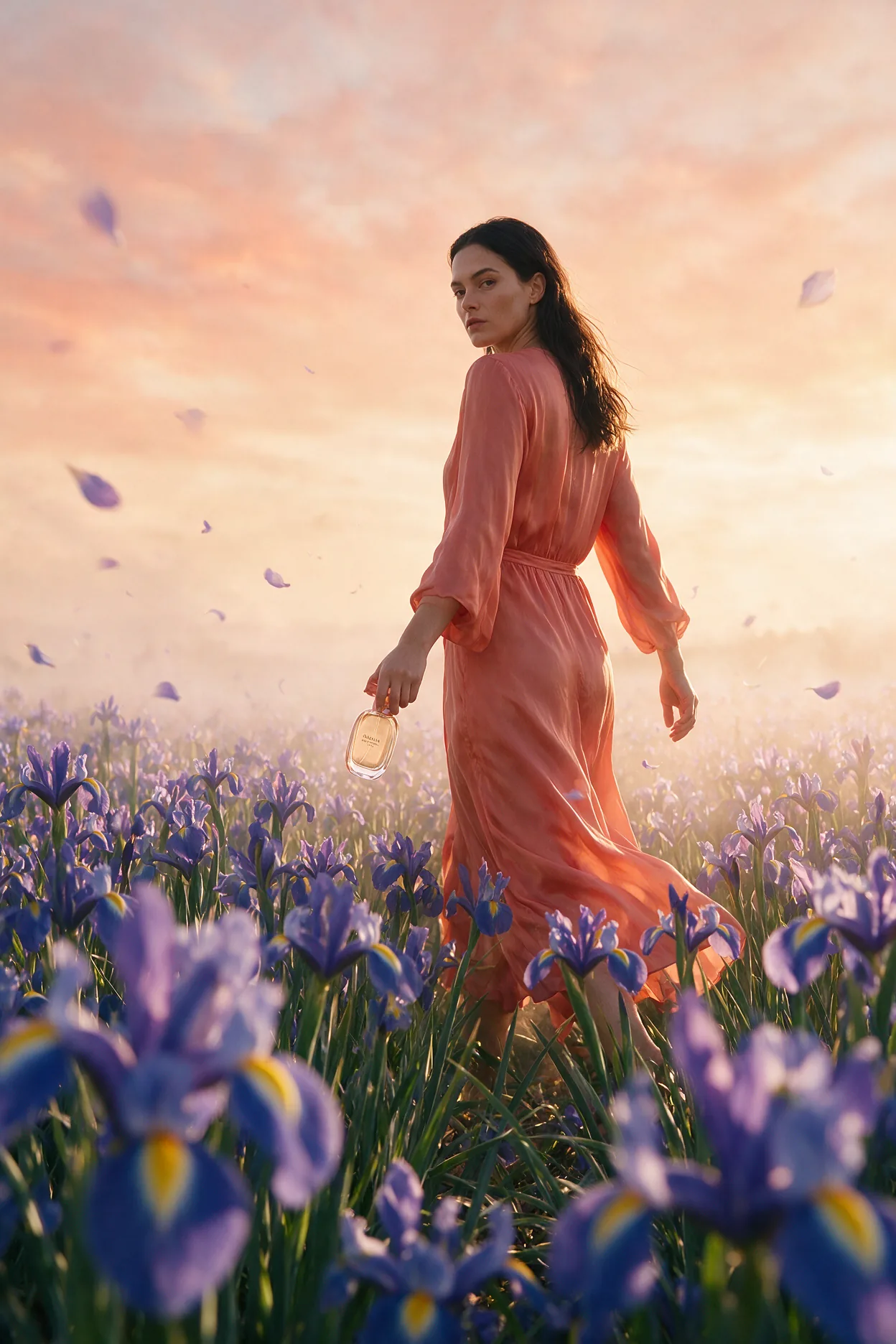
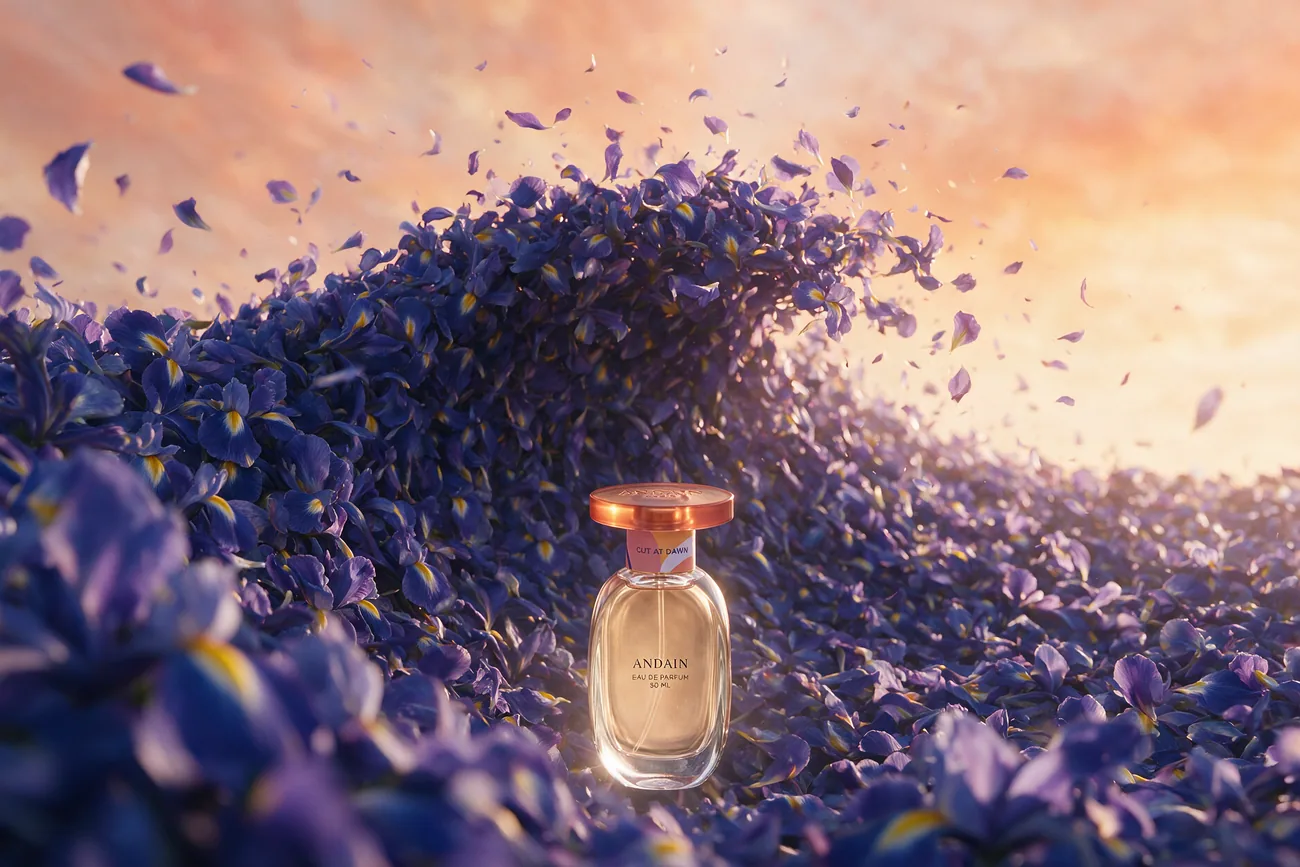
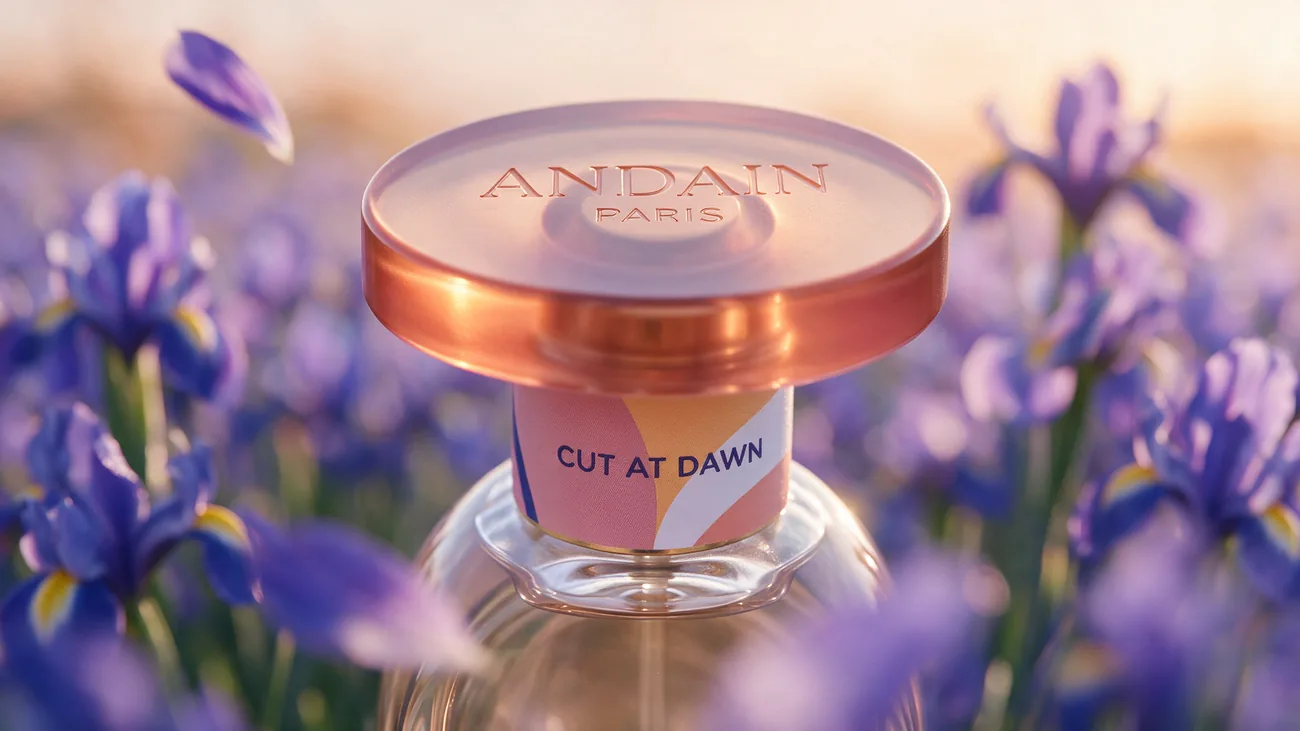
A generated image is easy. An image that belongs to your brand, next to the ten you published last season, is the work. Here is where that difference is made.
Palette, materials, wardrobe, the way your product is allowed to be shown. The direction is written against your guidelines, not against a look the studio already owns.
Every frame names its source and can justify it: a window, a doorway, a string of bulbs. Naming it is what separates a directed image from a generated one.
The tenth image obeys the rules written for the first, and varies only where variation was planned. That is what makes a campaign instead of a pile of pictures.
Full sets for a launch, a season, a listing or a story. One written direction, and every crop and format you actually publish in.
Short motion built on the same direction as the stills, so the film and the set read as one campaign rather than two briefs.
One image carrying the whole message, composed for the size it will be seen at — a wall, a storefront, a feed.
Menus, flyers, folded pieces. Images made for paper, where the light has to survive ink and the type has to sit somewhere.

Light, place, wardrobe and camera are decided and written down before a single frame exists.

Written in English, block by block, copied character for character. Never a ratio inside the prompt.

Same engine, same rigour on every job. A smaller budget buys less art direction time, never a looser prompt.

Graded, checked frame by frame, handed over in the formats you actually publish in.
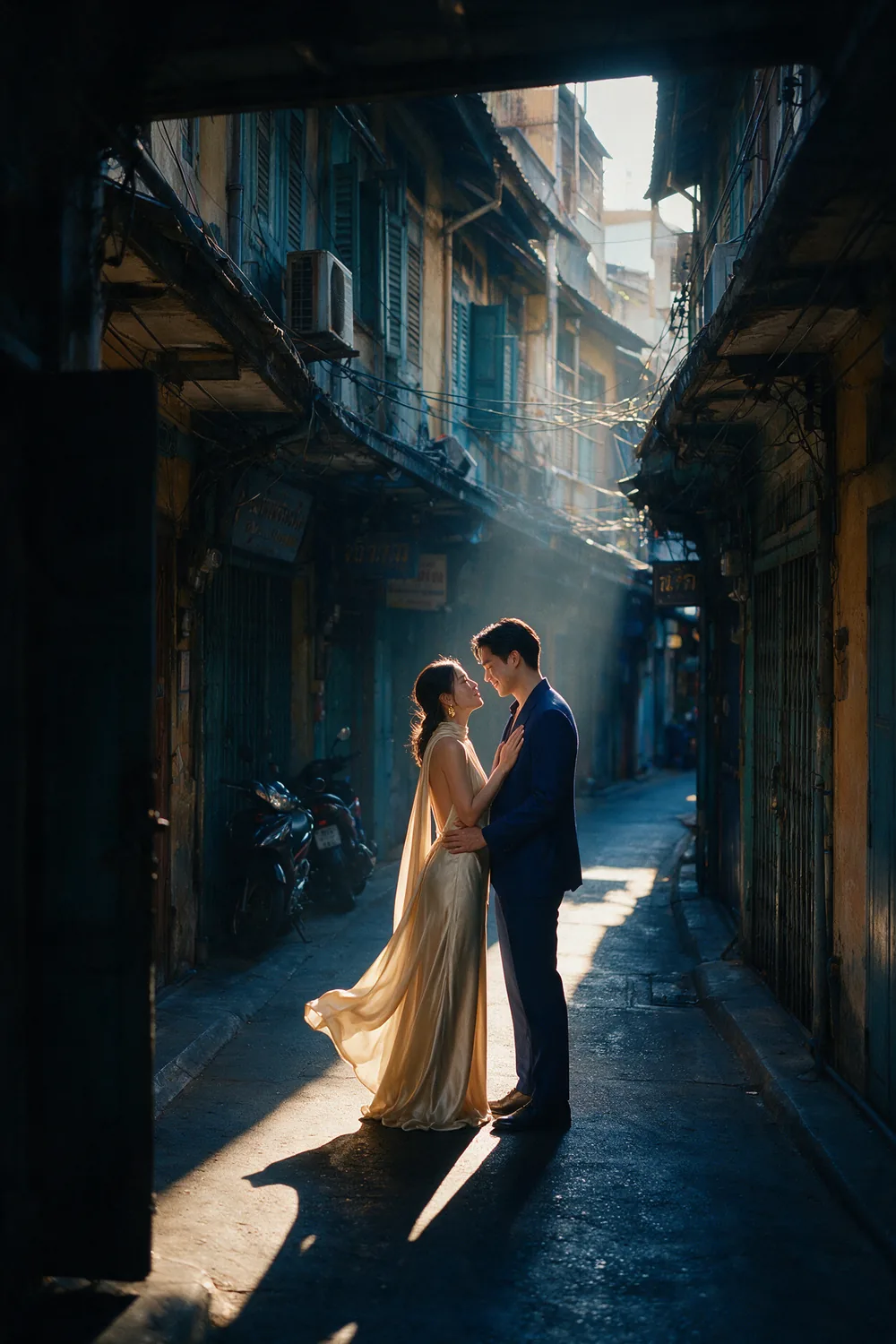
A finished set, graded and checked frame by frame, in the formats you publish in.
No. Every image is generated. What makes it a studio image is the direction written before it: one light with a reason to exist, a place named exactly, skin left real.
That is the starting point. Palette, materials, wardrobe and tone come from your book, and the direction is written against it before anything is generated.
Both. Prompts, though, are written in English and never translated: a translated prompt does not give the same image.
With a direction, not a generation. You send the brand book, or the story if it is a personal set. We write the light, the place, the wardrobe and the camera, and agree on it first.